Sheetrock vs. Drywall: The Key Differences Every Homeowner Should Know
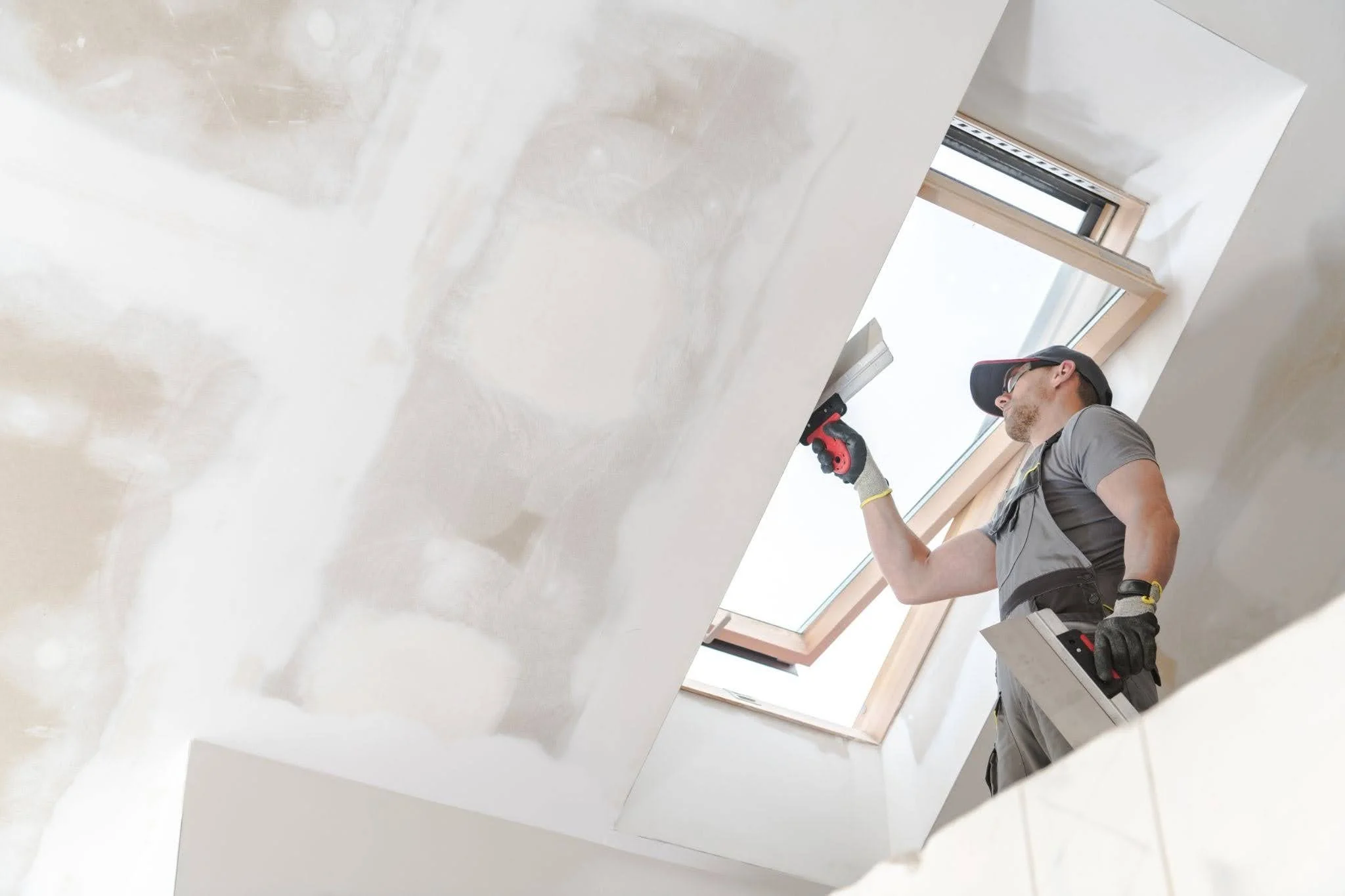
Walk into any home improvement store and you'll hear the terms "drywall" and "Sheetrock" used interchangeably, but they're not the same.
Understanding the Sheetrock vs. drywall distinction starts with one key fact: drywall is the generic name for gypsum wallboard panels used to build interior walls and ceilings, while Sheetrock is a brand name owned by U.S. Gypsum Co.
While some contractors argue there are subtle quality differences between the two, knowing which is which can help you make smarter purchasing decisions and avoid overpaying for a name.
What Is Drywall?
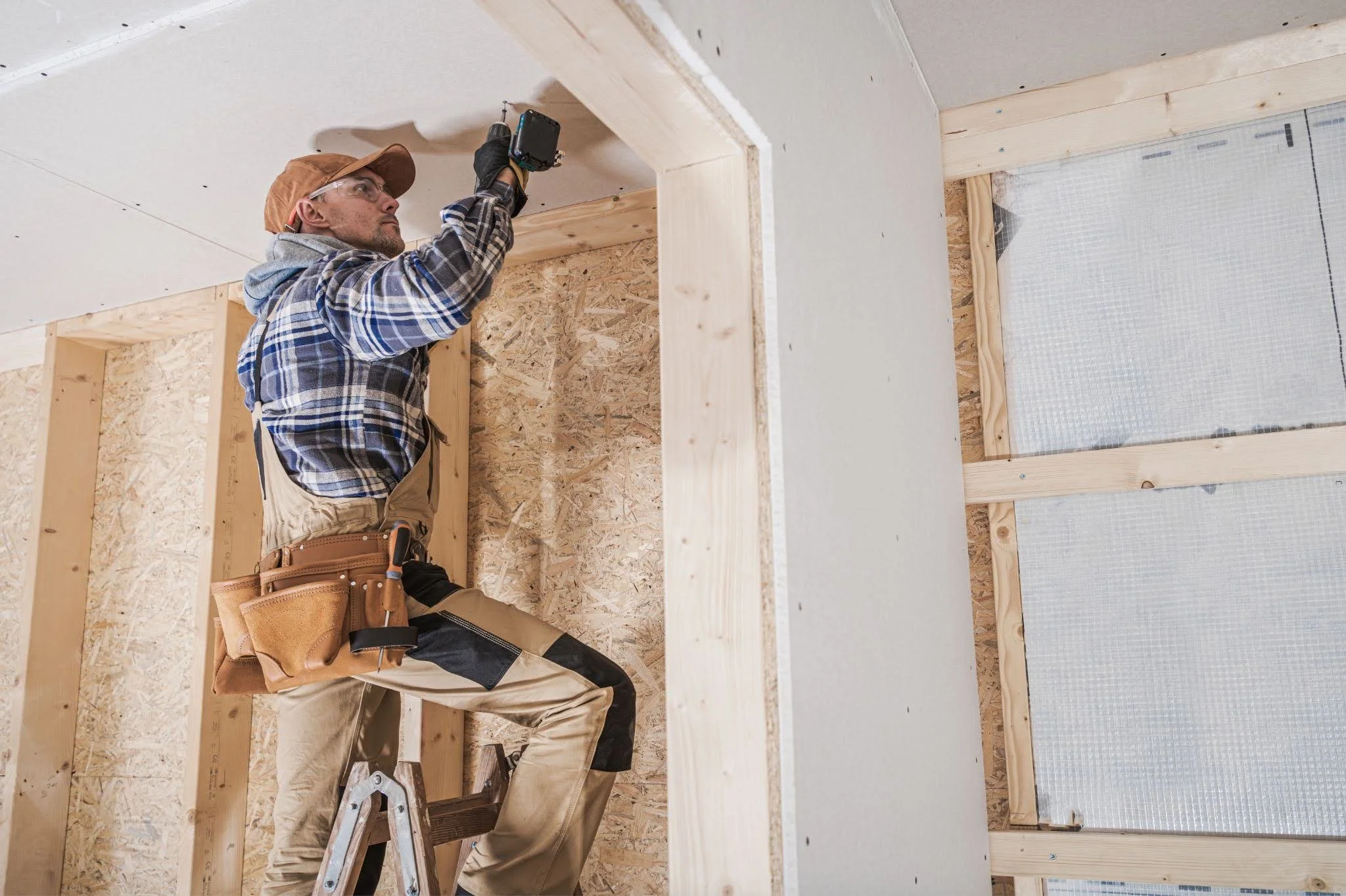
Drywall is a building material used to create interior walls and ceilings in most homes. Panels are lightweight, easy to install and simple to finish with paint or texture, making them a cost-effective, fire-resistant and durable choice for both new construction and renovation.
Materials and Manufacturing
Drywall is made from gypsum, a naturally occurring mineral mixed with water and additives to improve strength and performance.
The mixture is spread between two layers of heavy paper to form a flat panel, then cut to size and passed through dryers to remove moisture and harden the core.
The result is a strong, lightweight board ready for installation.
Common Uses in Homes
Drywall is the industry standard for interior walls and ceilings in both new builds and remodels.
Installers attach large panels to wood or metal framing, then seal seams with joint compound to create a smooth, even paint-ready surface.
Its affordability, ease of use and adaptability make it the go-to material for everything from new construction to simple repairs.
What Is Sheetrock?
Sheetrock is a brand of drywall made by U.S. Gypsum Co., not a separate material. The name has become so widely used that many people refer to any drywall panel as Sheetrock.
What sets Sheetrock apart is quality control. Panels are manufactured to tight tolerances, with uniform thickness, smooth surfaces and minimal defects that make installation and finishing faster and more predictable.
Many Sheetrock products also include added features like moisture resistance, enhanced durability or easier finishing that generic drywall may not offer.
Brand-Specific Features
Sheetrock's reputation among contractors comes down to consistency. The panels cut cleanly, lie flat and finish evenly, which matters on large jobs where small inconsistencies add up.
The brand also offers a wide product range designed for specific applications, from moisture-resistant panels for wet areas to lightweight options that make overhead installation easier.
Types of Sheetrock Available
Sheetrock makes panels for most common applications:
Standard Panels: Ideal for everyday walls and ceilings
Moisture-resistant Green and Blue Board Panels: Best suited for bathrooms, kitchens, basements or other areas exposed to moisture
Fire-resistant Panels: Recommended for garages and utility spaces
Lightweight Panels: Used to reduce the physical strain of installation
Sound-dampening Panels: A popular choice when finishing a basement or attic and framing new rooms
Sheetrock vs. Drywall Comparison
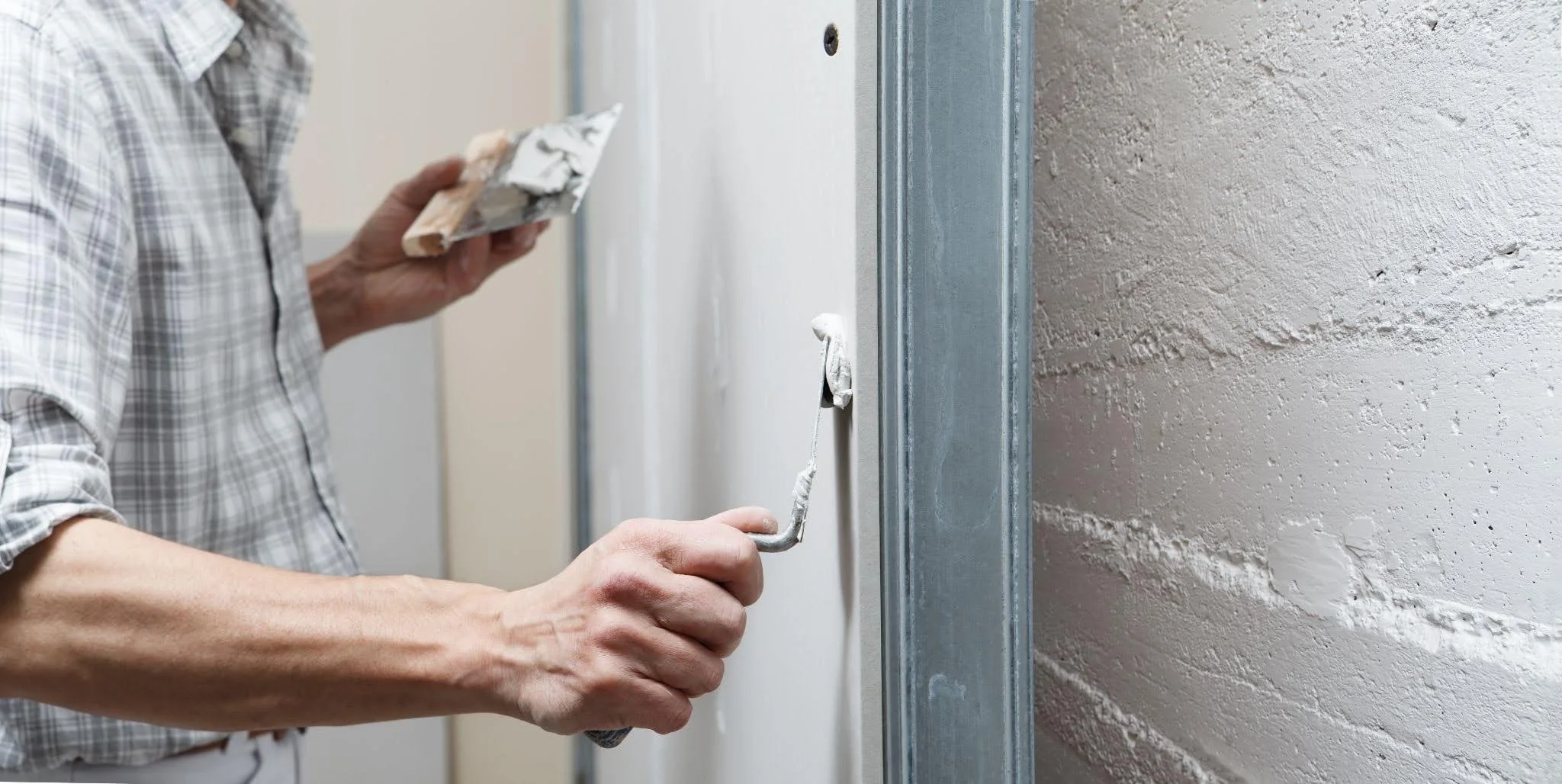
Sheetrock and drywall are nearly identical in composition, but cost, durability and ease of installation can vary depending on which you choose.
Cost Differences
Because drywall is a general category, many manufacturers compete across a wide range of price points, including budget-friendly options.
Sheetrock products may cost slightly more in some cases, reflecting the brand's reputation for consistent quality and its specialized product line.
In practice, the price gap is often small. On most projects, the bigger cost driver is panel type (moisture-resistant or fire-rated, for example) rather than brand name.
Durability and Performance
Both materials share the same basic composition, so manufacturing quality is what sets them apart.
Sheetrock panels are produced to tight tolerances, which translates to more consistent thickness, cleaner cuts and a smoother finish.
That consistency can reduce labor time and finishing headaches on larger jobs. Generic drywall from reputable manufacturers can perform well, too, but results vary more by brand and product line.
Installation and Repair
The two are roughly equal when it comes to installation and repair.
The main exception is weight. Some Sheetrock products are engineered to be significantly lighter than standard panels, which can make a real difference when working overhead or on a solo DIY job.
Which Option Is Best for Your Project?
When weighing Sheetrock vs. drywall for a home project, two factors matter most: the scope of the job and your budget.
For most homeowners, both are viable options. The right choice simply comes down to priorities.
Remodeling vs New Construction
For remodeling projects, many homeowners and contractors prefer Sheetrock. The brand's consistent quality and specialized product line can save time on jobs where precision matters.
For new construction, builders often default to generic drywall, particularly on large-scale projects where material costs add up fast. When you're hanging hundreds of panels, the per-sheet price difference between a name brand and a generic alternative becomes significant.
Generic drywall from reputable manufacturers performs well in standard applications, making it a practical choice when budget is the priority.
Budget and Availability
Generic drywall has a clear edge on both price and availability. Because multiple manufacturers produce it, panels are widely stocked at most home improvement stores and lumberyards, making it easy to source in large quantities without delays.
Sheetrock may carry a slight price premium depending on location and product type. Availability can also vary by region, and while some markets carry a full Sheetrock product line, others stock only standard panels.
If you have a specific Sheetrock product in mind, it's worth calling ahead to confirm stock before starting your project.
For budget-conscious homeowners tackling straightforward repairs or large renovations, generic drywall is often the smarter purchase. For high-visibility areas like living rooms, the added consistency of Sheetrock may be worth the extra cost.
Find the Right Drywall for Your Project at Page Lumber
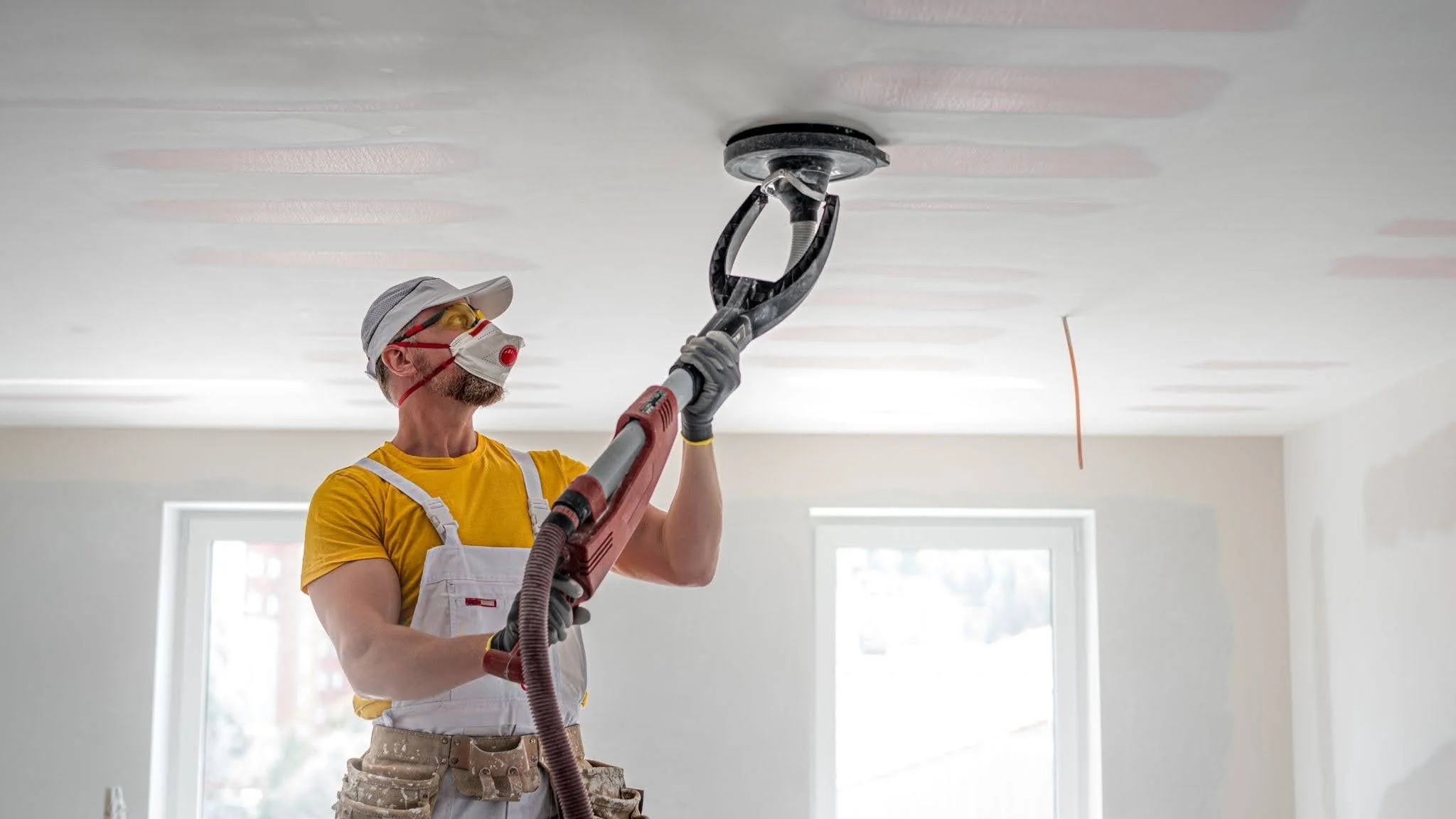
Choosing between Sheetrock vs. drywall doesn't have to slow you down.
Page Lumber stocks a full range of drywall products, including Sheetrock, and has the expertise to help you pick the right panels for the job, whether you're finishing a basement or building from scratch.
Shop Page Lumber’s drywall selection and start your project with confidence.
