Crawl Space Insulation: Boost Comfort and Lower Energy Costs
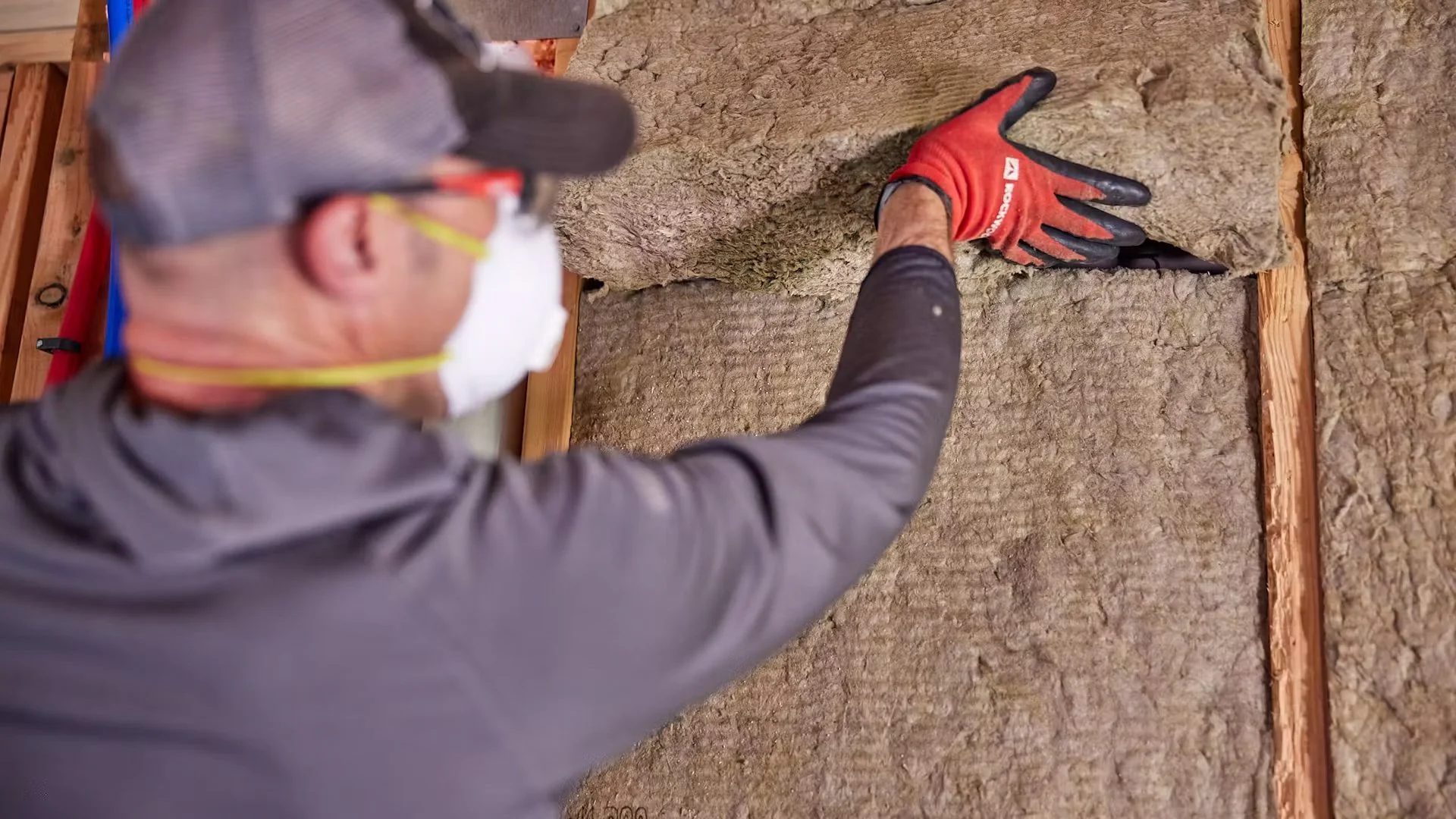
Most homeowners don’t think much about their crawl space, but what’s happening beneath your floors can have a major impact on your home’s comfort, energy efficiency and even the air you breathe.
A poorly insulated or unsealed crawl space can let in cold air during the winter, trap heat in the summer and allow moisture to build up — leading to mold, musty odors and even structural damage over time.
The good news is that crawl space insulation is one of the most cost-effective upgrades you can make. Proper insulation can help lower energy bills, improve indoor comfort year-round and support healthier indoor air quality.
If you’ve been putting it off, here’s everything you need to know to get started.
Why Crawl Space Insulation Matters
The condition of your crawl space plays a major role in how comfortable your home feels and how much you spend on heating and cooling costs.
Energy Loss and Temperature Control
Crawl space insulation helps reduce energy loss and maintain more consistent indoor temperatures throughout your home.
Without proper insulation, outside air and moisture can move through the crawl space and affect the rooms above it. Spaces may feel colder in the winter and warmer in the summer, causing your heating and cooling system to work harder to maintain a comfortable temperature.
Proper insulation and sealing help create a more stable indoor environment by reducing air leaks and limiting temperature fluctuations. The result is improved comfort, better energy efficiency and lower strain on your HVAC system.
Moisture and Air Quality Concerns
If you’ve noticed persistent musty smells, excess humidity or find yourself constantly relying on air purifiers, your crawl space could be part of the problem.
An unsealed crawl space allows damp air and moisture to collect beneath your home, creating conditions that can lead to mold, mildew and wood rot. Because air naturally rises, those odors and airborne contaminants can eventually circulate into the rooms above.
Proper insulation, air sealing and a vapor barrier help keep excess moisture under control and reduce the risk of condensation and mold growth. The result is a drier, healthier and more comfortable home.
Types of Crawl Space Insulation
Choosing the right crawl space insulation comes down to your home's layout, moisture levels and budget. Here's a look at the most common options and where each one works best.
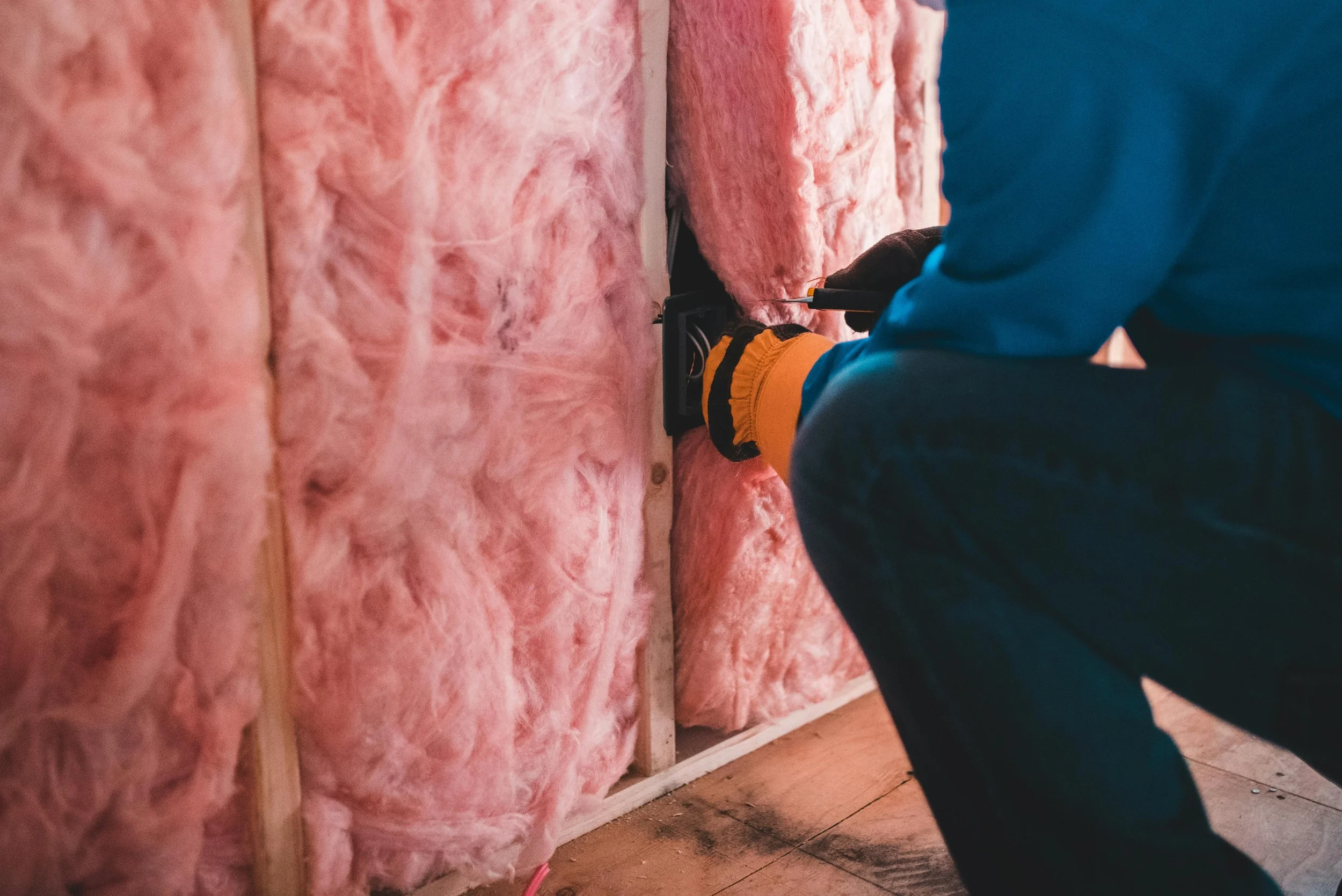
Batt Insulation
Batt insulation is one of the more straightforward options for crawl spaces. Batts are cut to fit between floor joists, where they sit snugly to reduce heat loss and drafts. They're moisture-resistant, hold their shape over time and don't require specialized equipment to install.
Batts are a practical choice for crawl spaces with good access and relatively stable humidity levels. If your crawl space is easy to move around in and you're looking for a cost-effective solution, batts are worth considering.
Spray Foam Insulation
Spray foam is applied as a liquid that expands on contact, filling gaps, cracks and hard-to-reach areas as it hardens. Installers typically apply it along crawl space walls, rim joists or between floor joists, depending on the layout of the space.
Spray foam insulates and air seals at the same time, creating a tighter envelope beneath your home. It's a good fit for crawl spaces with limited access, irregular framing or persistent air leakage problems.
Rigid Foam Board
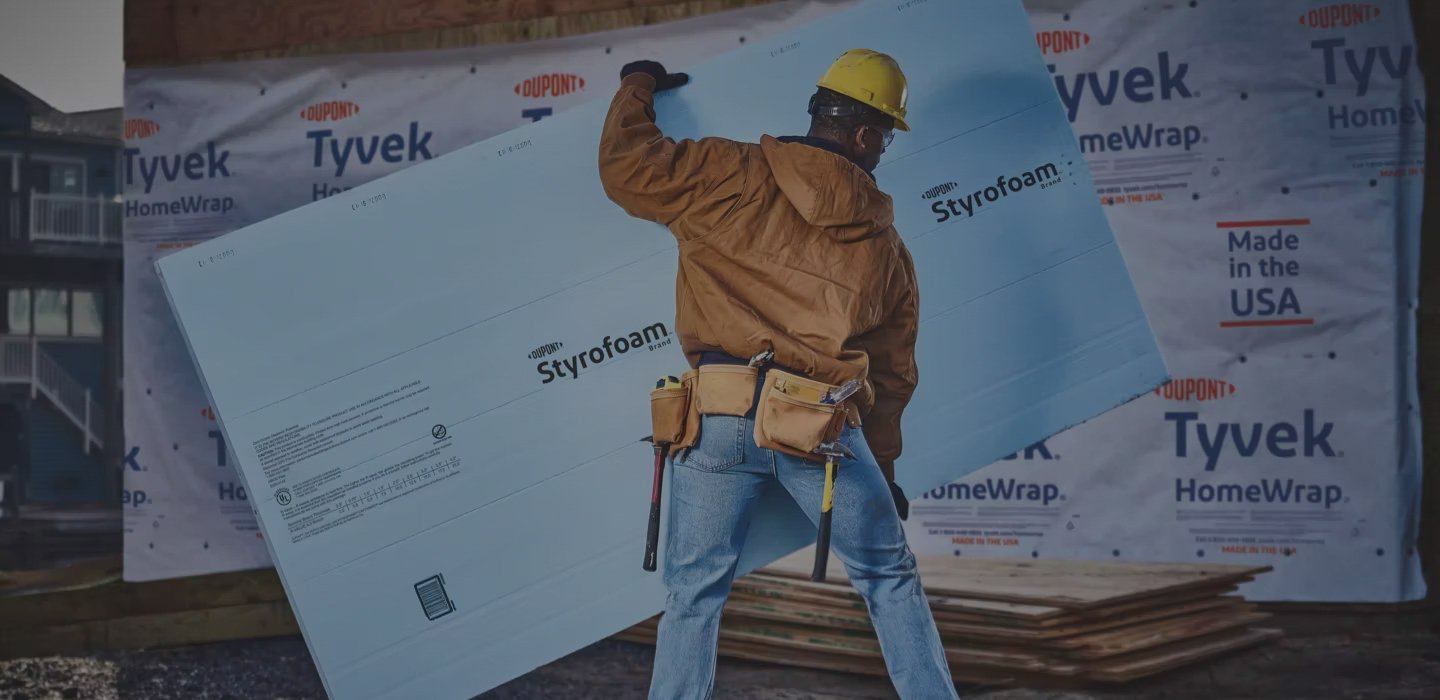
Rigid foam insulation board comes in solid panels (typically polystyrene or polyisocyanurate) that are cut to fit along crawl space walls or between framing. Panels are fastened in place, and seams are sealed with tape or spray foam to close off any air gaps.
Rigid foam board is durable, moisture-resistant and holds up well in damp conditions, making it a strong option for crawl spaces prone to moisture or located in areas with high groundwater. If moisture is your primary concern, this is often the first option professionals recommend.
Crawl Space Insulation Installation Methods
Crawl space insulation works best when it's paired with vapor barriers and other products that control how air, heat and moisture move through the space.
The result is a more comfortable home, lower energy bills and fewer maintenance headaches down the road.
Floor Insulation vs. Wall Insulation
Floor insulation is common in vented crawl spaces and focuses on keeping living areas warm by insulating between the floor joists. Floor insulation can help with temperature control, but it still leaves the crawl space exposed to outside conditions.
Wall insulation is typically used in sealed or encapsulated crawl spaces. By insulating the walls instead of the floor, you bring the crawl space into the home's conditioned envelope, which helps reduce temperature swings, protect plumbing and improve overall energy performance.
For most homes, wall insulation paired with proper sealing is the more effective long-term approach.
Vapor Barriers and Sealing
Vapor barriers and proper sealing are just as important as the insulation itself.
A vapor barrier, usually a thick plastic liner installed over the ground and up the walls, blocks moisture from rising through the soil and seeping in from outside. Sealing gaps, cracks and vents keeps humid air out.
Together, these elements reduce the risk of condensation, mold and wood damage while keeping your insulation performing the way it should.
Crawl Space Insulation Costs
Insulating your crawl space is one of those upgrades where the upfront cost is often offset over time through energy savings. The benefits don’t stop there — improved indoor air quality and a more comfortable home are harder to quantify, but are just as important.
What you'll pay depends on the size of your crawl space, the type of insulation you choose and whether you hire a professional or tackle it yourself.
DIY vs Professional Installation
Some homeowners take on crawl space insulation themselves, but it can be harder than it looks. Crawl spaces are tight, often awkward to move around in and tend to hide problems like damaged wood, moisture intrusion and air leaks.
Without knowing what to look for, it's easy to end up with insulation that's compressed, poorly fitted or missing gaps that undercut the whole job.
Professional installers have the training and equipment to work safely in confined spaces and spot issues before they become bigger problems.
They can also steer you toward the right type of insulation based on your crawl space's specific conditions. The upfront cost is higher, but the work tends to hold up better and cause fewer problems down the line.
Take the Next Step Toward a More Efficient Home with Page Lumber
Your crawl space impacts your home’s comfort and energy costs more than you might realize — but with the right approach, the solution is simpler than you’d expect.
Featuring premium brands like DOW STYROFOAM™, Johns Manville and ROCKWOOL, Page Lumber provides the expert guidance and materials you need to get the job done right.
Check out our insulation solutions today to maximize your home’s efficiency and get your crawl space outfitted for year-round comfort.