Faced vs. Unfaced Insulation: How to Choose the Right Type
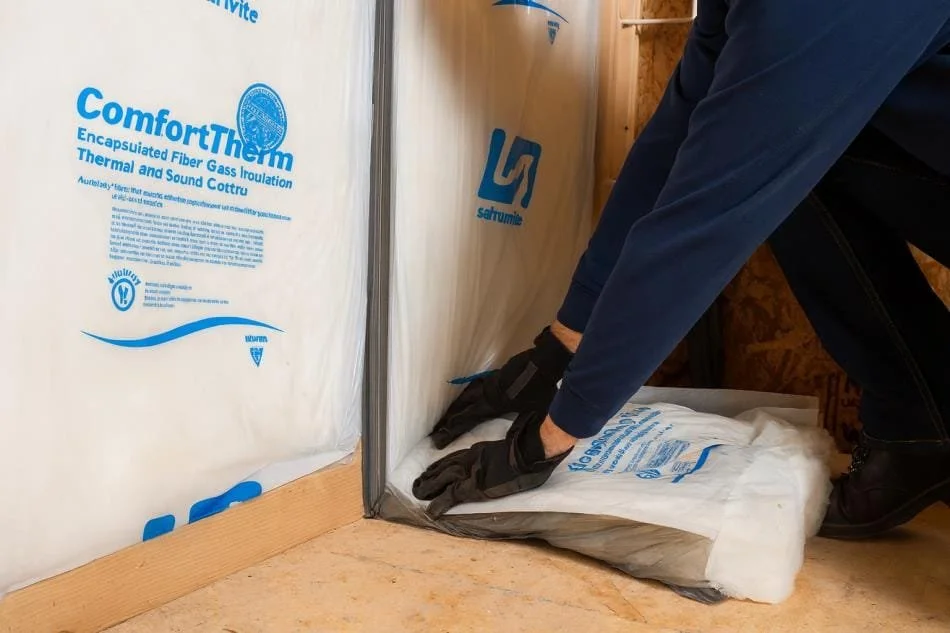
Most homeowners don't think about insulation until something feels off, whether that’s a drafty room, a climbing energy bill or a sudden chill. However, fixing those issues isn't just about adding more insulation; it’s about choosing the right type.
The best place to start is understanding the difference between faced versus unfaced insulation. While both slow heat loss, they handle moisture differently and belong in entirely different parts of your house.
Using the wrong one can trap moisture and cause costly damage. Choosing between them isn't about getting overly technical; it’s just about knowing what your home actually needs to stay comfortable and dry.
Understanding Insulation Facing
Insulation facing is a vapor retarder bonded to one side of the batt. It acts as a barrier against moisture, stopping warm, humid indoor air from condensing against cooler surfaces inside your walls.
By controlling that moisture, facing protects your home from mold and keeps your insulation working effectively.
What Is Faced Insulation?
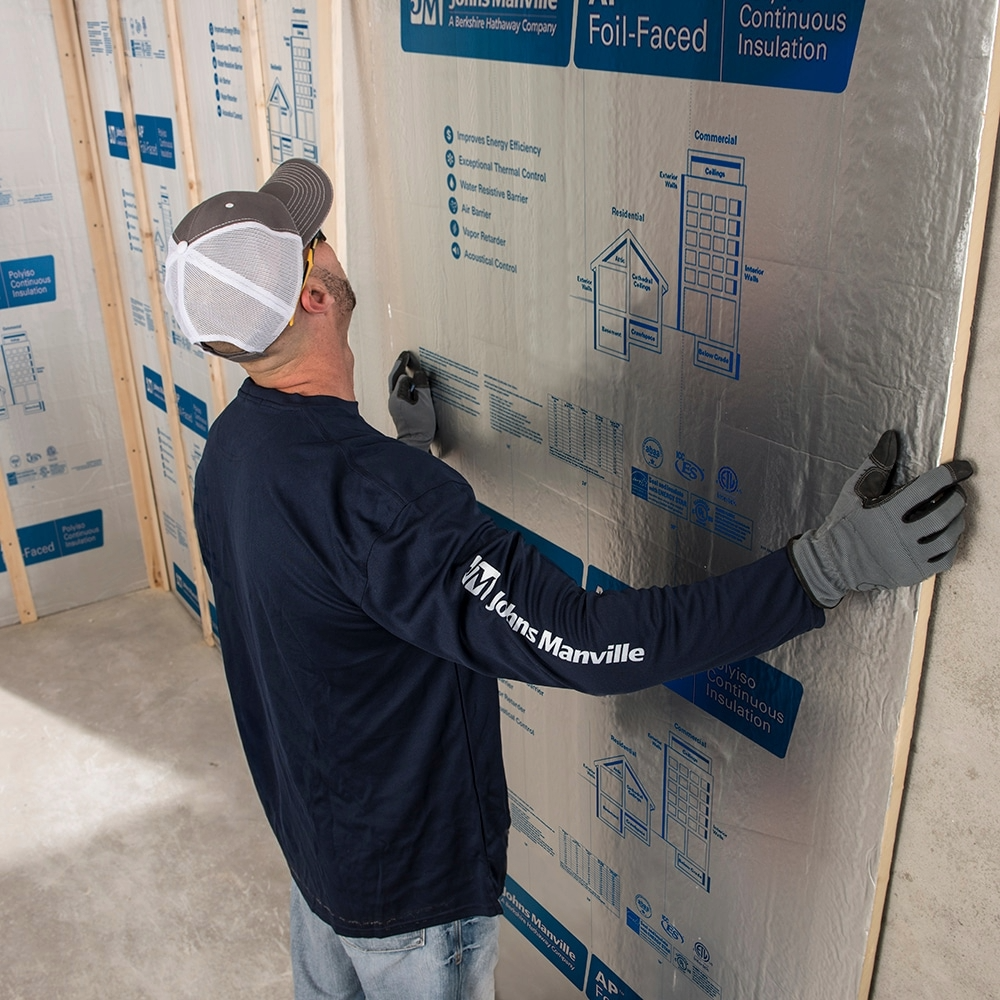
Faced insulation is a batt or roll of insulating material with a layer of kraft paper or foil attached to one side. This layer helps to manage moisture movement through your home.
Vapor Barriers and Moisture Control
The facing on insulation slows moisture from moving through your walls, floors and ceilings, which helps prevent condensation from building up inside them. This matters most when there's a big temperature difference between the inside and outside of your home.
When moisture isn't controlled, it can break down the insulation itself and damage the materials around it over time. However, the vapor retarder on faced insulation keeps moisture from getting where it shouldn't.
Where Faced Insulation Is Commonly Used
Faced insulation is most often used in new construction, where it can be put in during framing before the walls are closed up. It's a good fit for exterior walls, crawl spaces and floors above unheated or uncooled spaces, where keeping moisture out is a priority.
The facing should point toward the living space in most climates, which keeps the vapor retarder working in the right direction as heat and moisture move through the wall.
What Is Unfaced Insulation?
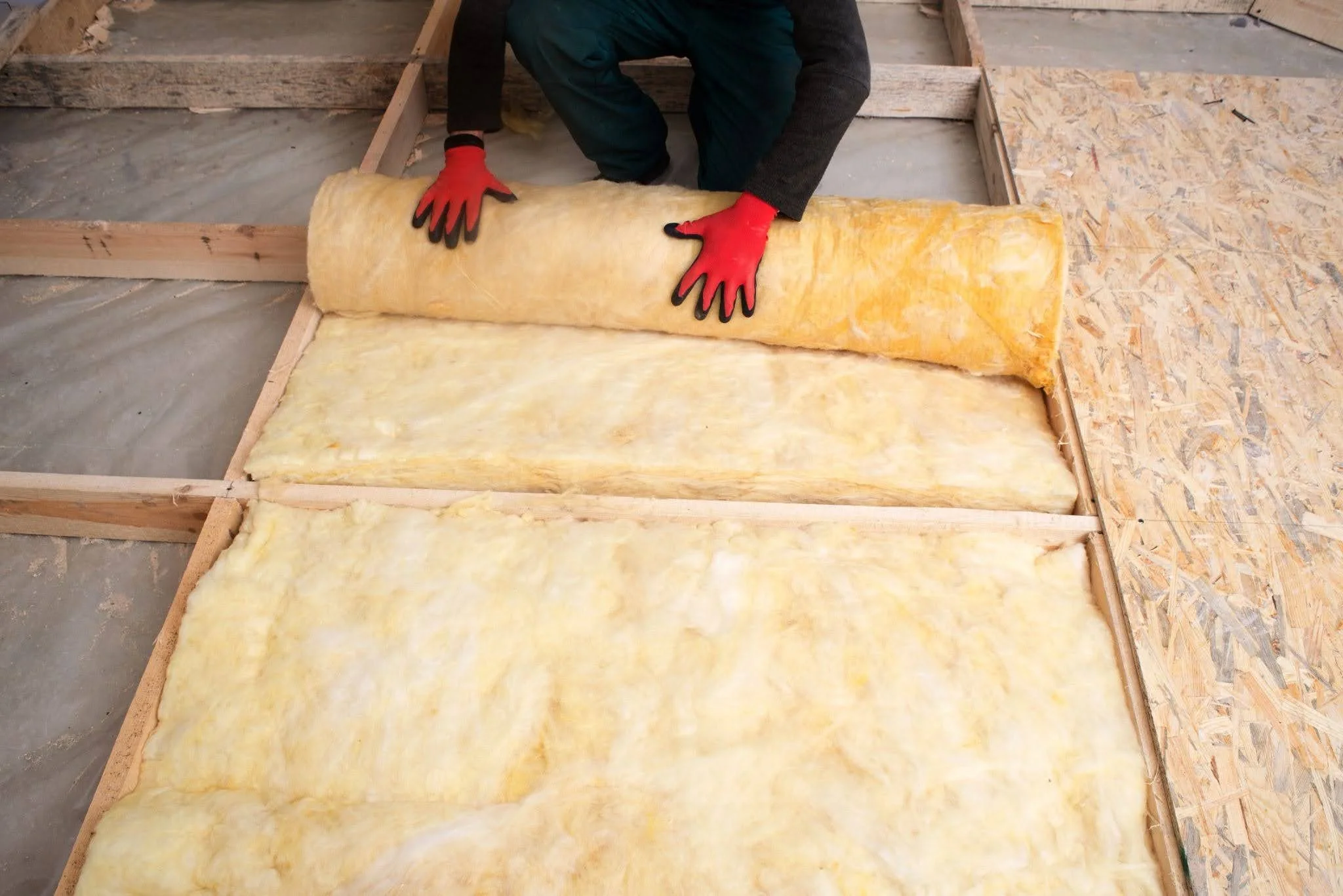
Unfaced insulation is a batt or roll of insulating material with no attached vapor retarder. It focuses purely on thermal resistance. It’s a flexible option for a wide range of situations throughout the home.
When Unfaced Insulation Is Recommended
Unfaced insulation works well in spaces where moisture isn't a major concern or is already handled another way. Attics are one of the most common applications as they're typically ventilated and don't need an added vapor retarder.
It's also the right choice when layering insulation over existing material because adding a second vapor barrier can trap moisture instead of controlling it. Interior walls and ceilings in conditioned spaces are another good fit, where the priority is thermal performance rather than moisture management.
Where Unfaced Insulation Should Not Be Used
Unfaced insulation isn't the right fit everywhere. In areas prone to moisture or big temperature swings, like exterior walls in colder climates, crawl spaces and basement rim joists, a vapor retarder is usually needed. That means faced insulation, or a separately installed barrier, is the better call.
Without that added protection, moisture can build up inside the wall or floor assembly over time, which is the kind of problem that's easy to prevent but costly to fix later.
Faced vs. Unfaced Insulation: A Comparison
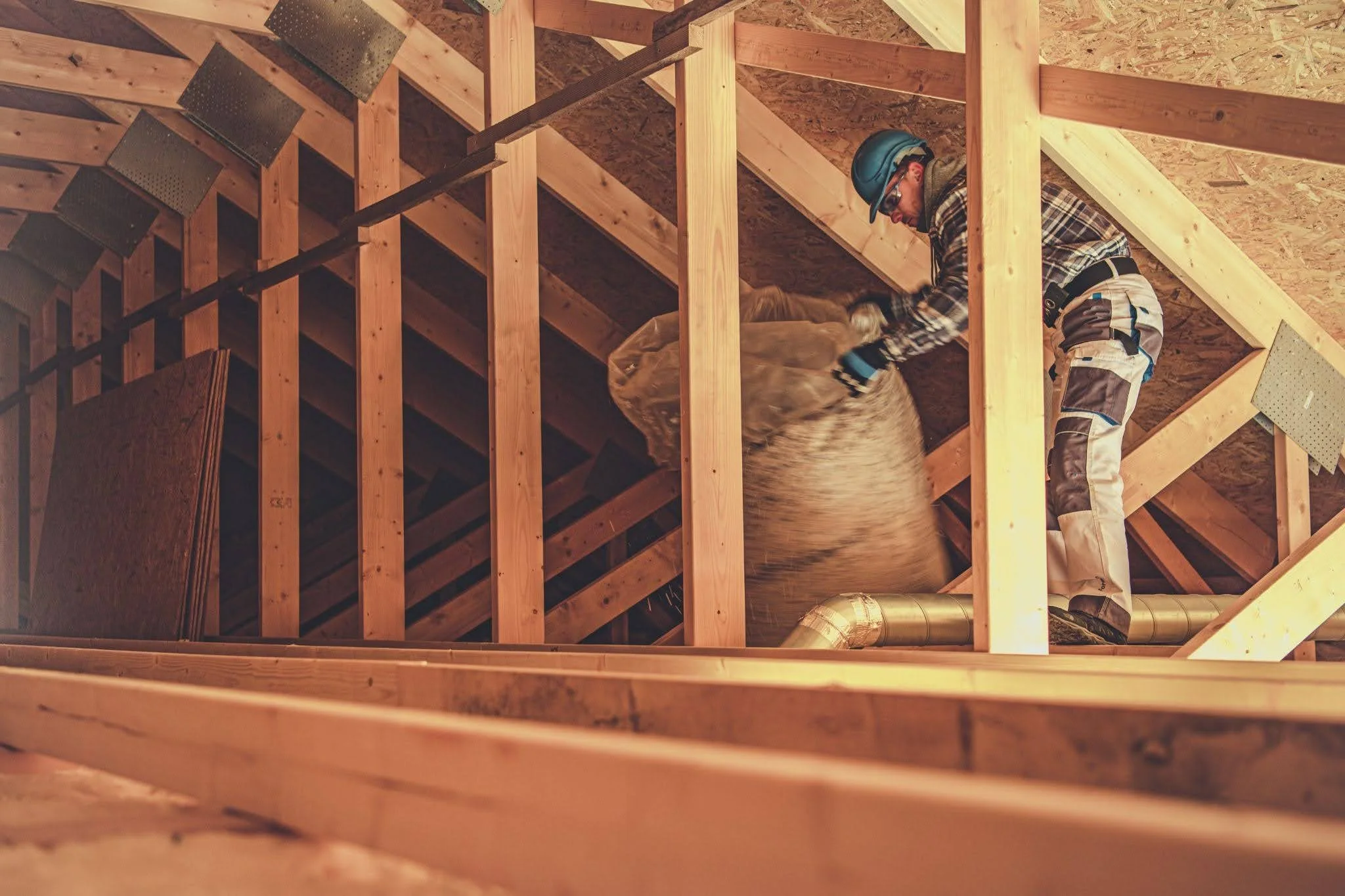
Understanding how faced and unfaced insulation differ goes beyond the presence or absence of a vapor retarder. Each type is designed with specific conditions in mind.
Installation Differences
Faced insulation goes in with the paper or foil side facing the living space. The facing gets stapled to the framing studs, which hold the batt in place and keep the vapor retarder where it needs to be.
Unfaced insulation is simpler to work with. It friction-fits between the framing with no specific orientation required, making it a straightforward option in spaces where moisture isn't a concern.
Does Climate Matter?
It does. In colder climates, controlling how warm interior air and the moisture it carries move through your walls is important. Faced insulation handles that job well, which is why it's the go-to for exterior walls and other exposed areas in colder regions.
In warmer or mixed climates, moisture control is less of a priority, and unfaced insulation covers more ground. That said, wherever you live, the specific spot in your home should always drive the final decision.
Faced vs. Unfaced Insulation: Making the Choice
Choosing between faced and unfaced insulation might seem like a minor detail, but your decision plays a major role in making your home comfortable and energy-efficient.
To ensure you get it right, Page Lumber provides both the expertise and the premium materials your project demands.
We stock a comprehensive range of industry-leading solutions, including Johns Manville fiberglass batts, ROCKWOOL stone wool for advanced fire protection and sound control and DOW STYROFOAM™ rigid foam boards for maximum moisture protection.
Explore our insulation solutions today, or reach out to our team for help picking the best product for your specific space.
