Drywall Installation Costs: What You’re Really Paying Room-by-Room
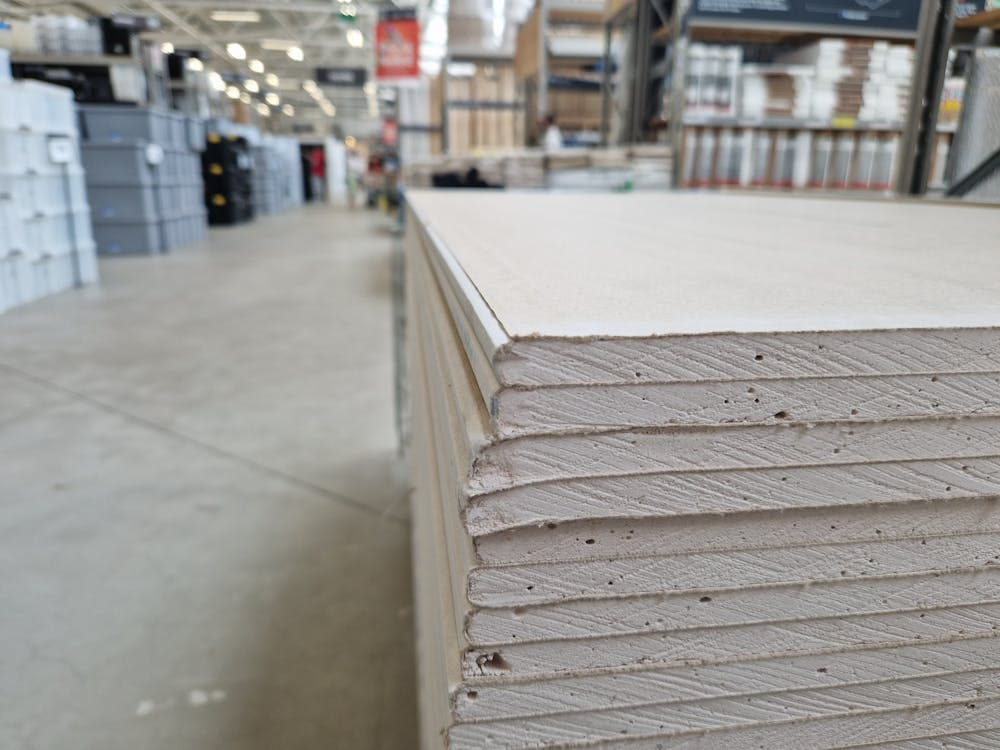
Drywall installation costs vary more than most homeowners realize, and the difference from room to room can be significant.
A simple bedroom and a vaulted living room aren't going to cost the same, and the reasons extend past just square footage. Labor rates, ceiling height, layout complexity and finishing all factor in before a single panel is hung.
Here, we break down those costs room by room so you can plan your project and budget with fewer surprises.
Factors That Affect Drywall Installation Costs
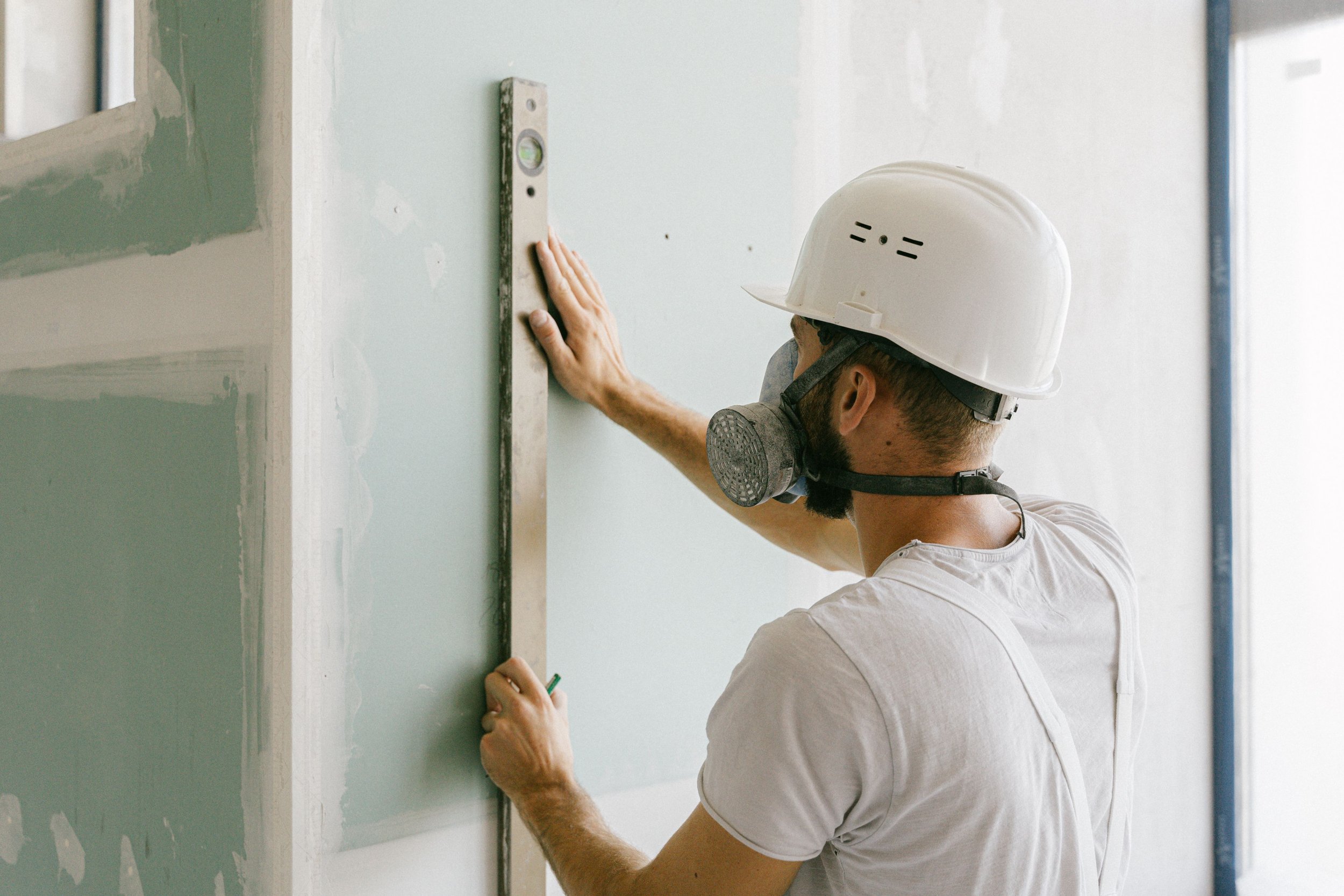
The current nationwide average to install drywall (including materials and labor) runs between $1.50 and $3 per square foot, or about $60 to $90 per panel.
However, to ensure you stay on budget, you need to understand what is actually driving the costs.
Room Size and Layout
Not all rooms require the same amount of materials or labor. Larger rooms need more drywall sheets, more joint compound and more labor time, all of which drive up cost.
Layout matters just as much as size. Simple, square rooms are quicker to work in. Rooms with many corners, odd angles, soffits or built-ins take more time to measure, cut and finish.
Open-concept living spaces with high ceilings can also push costs higher as they require taller sheets, extra equipment or additional labor to work safely at height.
Irregular window sizes, door placement and tight spaces add to the workload, too. The more complex the room, the more time and skill the job requires.
Type of Drywall
Standard drywall is the most affordable option and works well for most living spaces, including bedrooms, hallways and corridors.
Specialty drywall products are more expensive but can be necessary for your application. For example, moisture-resistant drywall is recommended for bathrooms, laundry rooms and kitchens.
It costs more per sheet but helps prevent mold and water damage over time. Fire-resistant drywall is common in garages and utility rooms, and carries a higher price for the added protection it provides.
For homeowners willing to spend more up front, there are higher-end options worth considering. Impact-resistant drywall is thicker and stronger and a good fit for high-traffic areas, though its weight adds to both material and labor costs.
Soundproof drywall, used in home offices and media rooms, can increase your budget because of its layered construction.
As a rule, the more specialized the product, the higher the upfront cost, but it often means better performance and fewer repairs down the road.
Labor Costs
Labor is one of the biggest factors in drywall installation cost. Professional installation includes measuring, cutting, securing panels, taping seams, applying joint compound, sanding and finishing — everything needed to get the surface paint-ready.
Experienced crews may charge more, but they typically work faster and deliver a cleaner, more consistent finish.
High ceilings, tight spaces and complex layouts add time and precision to the job, which is reflected in the final labor cost.
Additional Costs
Other costs to factor in include material delivery fees, disposal of old drywall or construction debris and any framing or insulation repairs needed before new drywall goes up.
If the project involves finishing an attic or basement, building permits may also be required, depending on your city or state.
Drywall Costs: Breakdown by Room
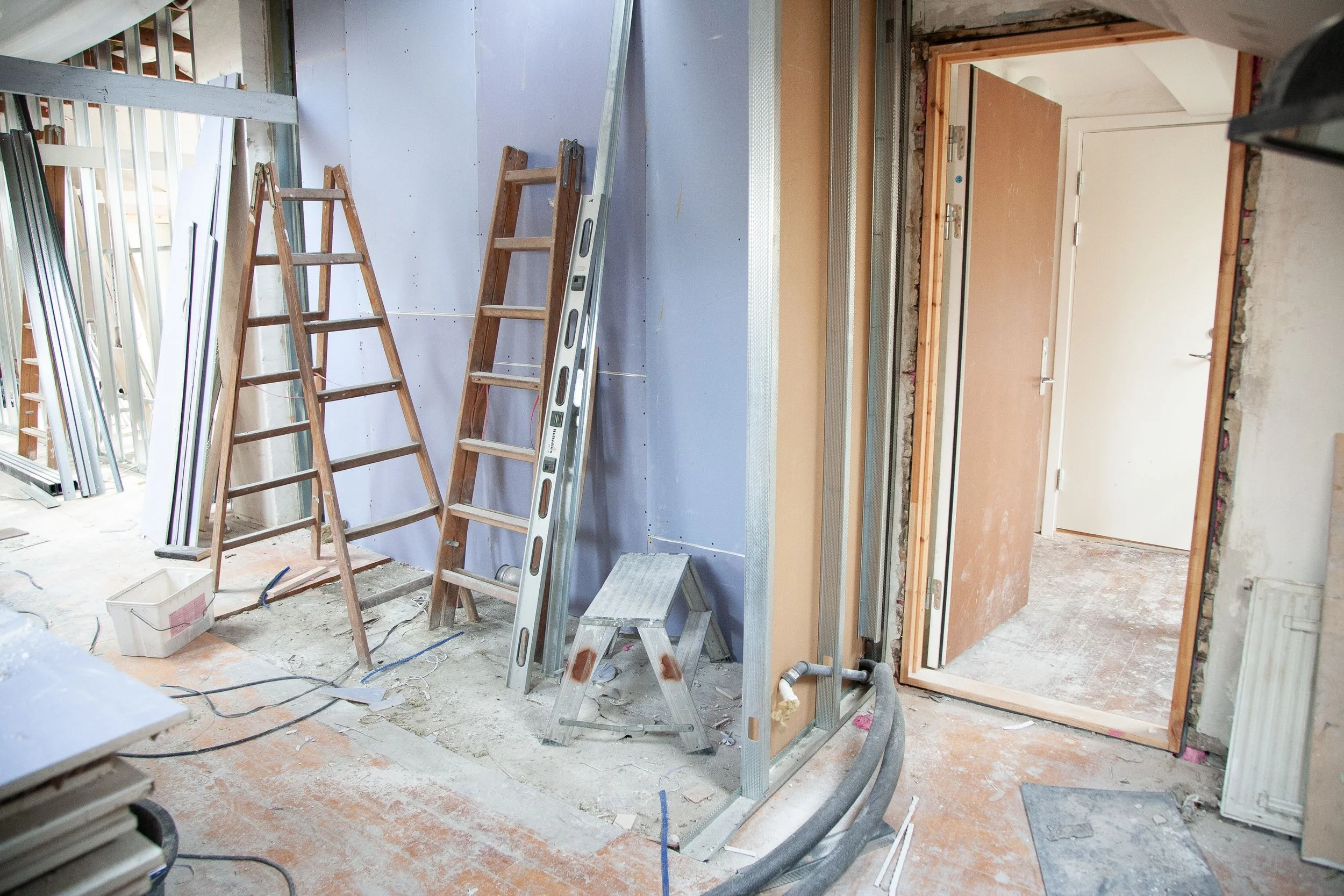
The cost of drywall isn't one-size-fits-all. Here is what you can expect to pay for different areas of your home.
Living Room and Bedrooms
Living rooms and bedrooms are typically the least expensive rooms to drywall because they don't require specialty materials. In these rooms, most projects use standard drywall, and pricing comes down to room size.
Bedrooms tend to cost less than living rooms because they're smaller and more straightforward. Higher ceilings, large windows or design features like recessed areas and built-ins can add to the cost, but for a standard bedroom, drywall is usually a simple job.
Average costs can range from around $550 for a small bedroom through to $2800 for a large living room.
Kitchen and Bathrooms
Kitchens and bathrooms carry higher per-square-foot costs because both require specialty materials and more precise installation.
Moisture-resistant drywall is standard in these spaces. Bathrooms also need cement board or tile backers anywhere water exposure is direct, such as around showers.
Working around cabinets, appliances and backsplashes means more cuts and careful fitting. Plumbing, electrical outlets, vents and fixtures slow things down even further.
For the average-sized bathroom and kitchen, expect to pay anywhere from around $800 through to $2,500.
Basement and Attic Spaces
Basements and attics cost more to drywall because of the prep work and conditions that come with finishing those spaces.
In basements, moisture is the main concern. Contractors often recommend moisture-resistant drywall or vapor barriers, and exposed pipes, ductwork and support beams require extra cutting and fitting.
If the space is unfinished, framing and insulation may need to go in before drywall work even begins.
Attics bring their own complications with sloped ceilings, tight corners and limited headroom, making installation slower and more physically demanding.
Irregular shapes lead to more material waste, and getting materials in and out of the space adds time that contractors factor into their pricing.
Considering how demanding these spaces are to drywall, a typical basement can run between $2,000 to $5,000 — attics can cost a similar amount.
Ways to Save on Drywall Installation Costs
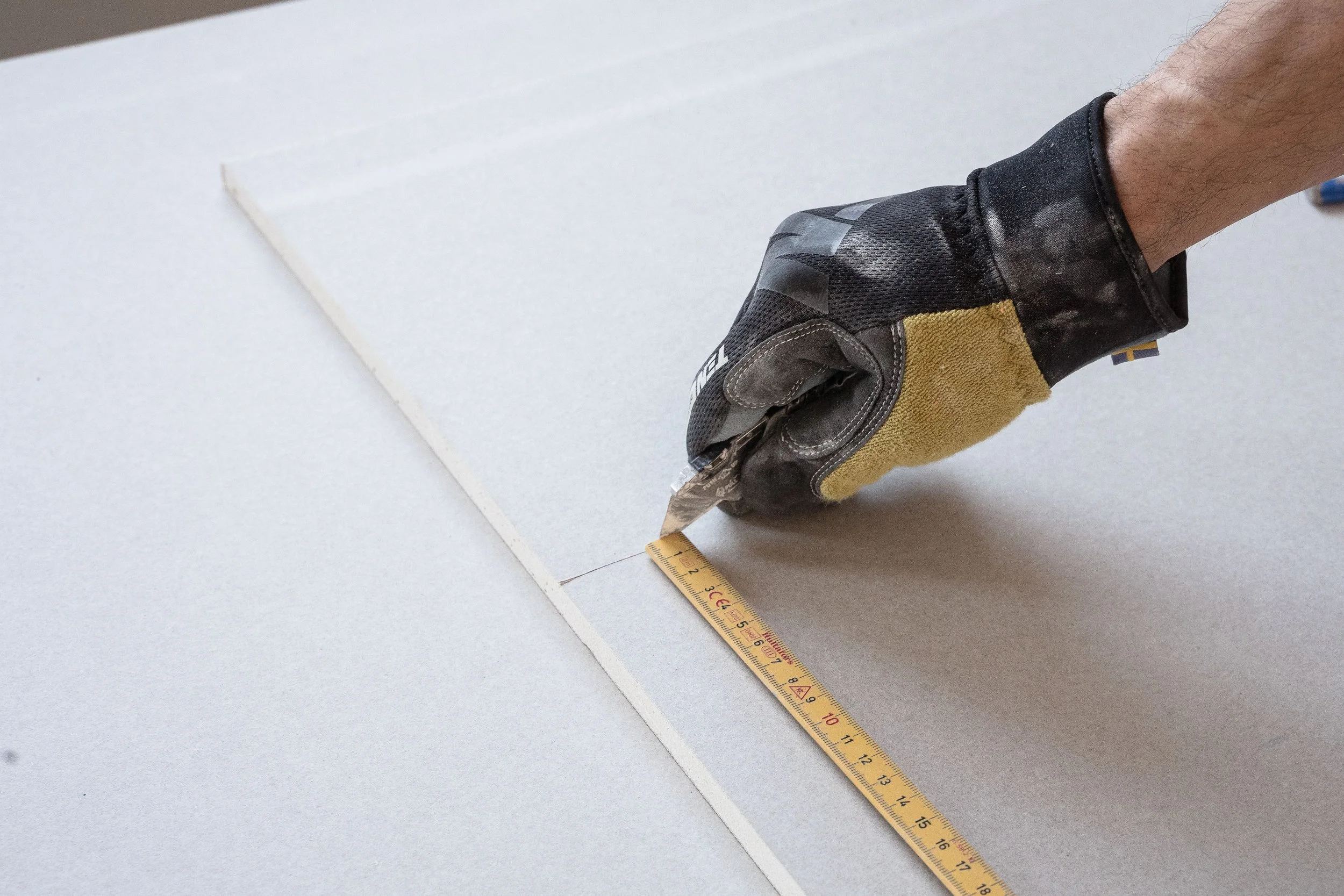
There are ways to reduce material and labor costs, but professional installation and higher-grade materials are often worth the upfront expense.
DIY vs. Professional Installation
Hanging drywall is an option for homeowners with renovation experience, but mistakes mean costly fixes.
Professional installers bring the tools, experience and efficiency to handle high ceilings, complex layouts and tight spaces — work that's difficult to get right without practice.
For small repairs, DIY can make sense. Just be honest about your skill level before committing.
Material Choices and Bulk Buying
Standard drywall keeps material costs down for most living spaces. In kitchens, bathrooms and basements, moisture-resistant boards are always worth the added cost. Skimping on these tends to create bigger problems later.
Buying in bulk can lower the per-sheet price, and ordering everything at once cuts down on delivery fees.
Shop Drywall for Every Room at Page Lumber
Every room in your home deserves the best materials possible. The right drywall is the difference between a job that holds up and one that doesn't.
At Page Lumber, we have drywall options that ensure you get exactly what your project needs, whether you're tackling it yourself or working with a pro.
If you’re ready to kickstart your drywall project with confidence, contact our team — we are here to help you get the right solution for your space.
